
Transmission system in an automobile serves as the mechanism for transferring the engine’s power to the road wheels, propelling the vehicle forward. the engine generates power to drive the wheels, necessitating a connection between the engine and the transmission system.
Furthermore, a seamless engagement and disengagement mechanism is crucial to prevent damage to the vehicle’s mechanism and ensure passenger comfort.
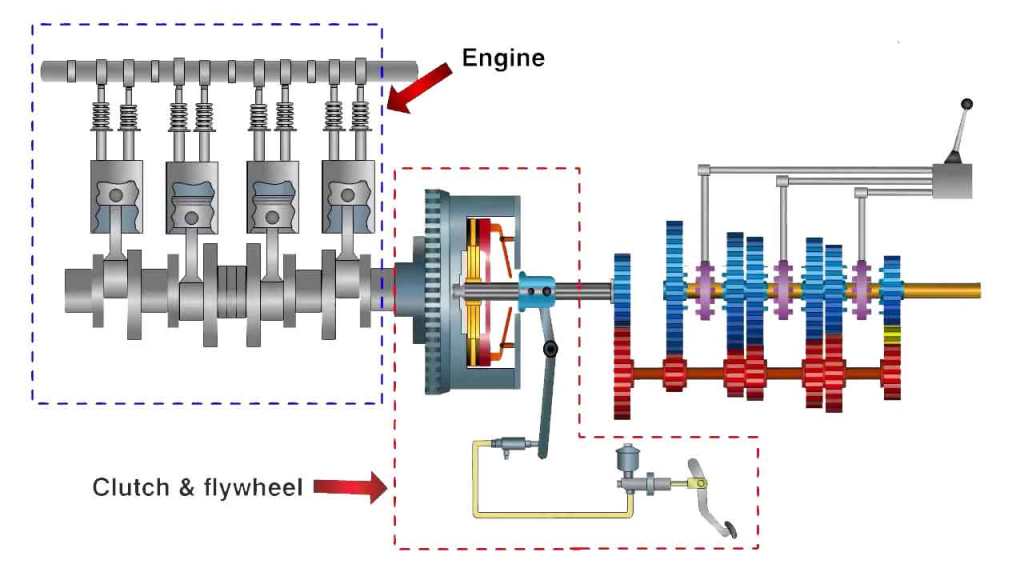
The friction between the road and the surface of the wheel makes possible the movement of the automobile. Transmission system performs this function.
The automobile transmission system consists of several components. These components work together to transmit the rotary motion at the crankshaft smoothly and efficiently to the road wheels.
Different Types of Car Transmissions :-
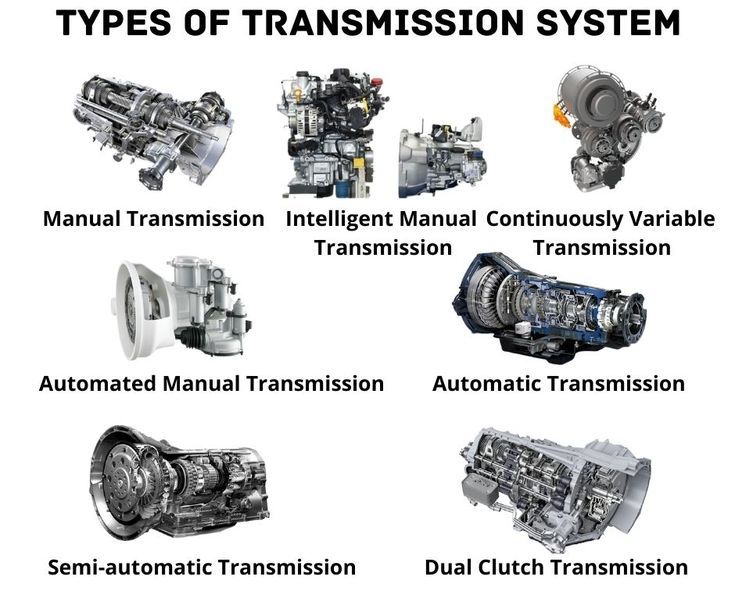
- Manual transmission
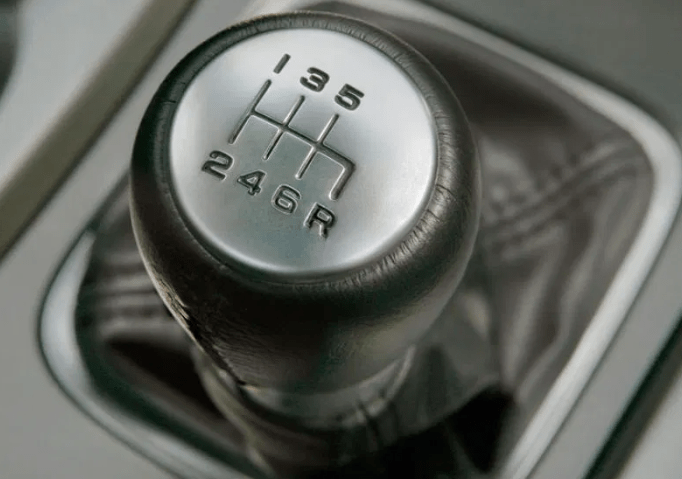
In a manual transmission car, the driver uses a clutch pedal and a gear stick situated on the floor between the front seats or on the centre console, to put the vehicle in the right gear.
Driving a manual transmission is a skill that needs to be learnt and practiced to understand how to get the most efficiency, power and acceleration from the car. Among transmission types, manual transmissions are the most fuel-efficient. This, however, depends on the driving style as aggressive gear usage will give you the lowest mileage.
2. Automatic transmission
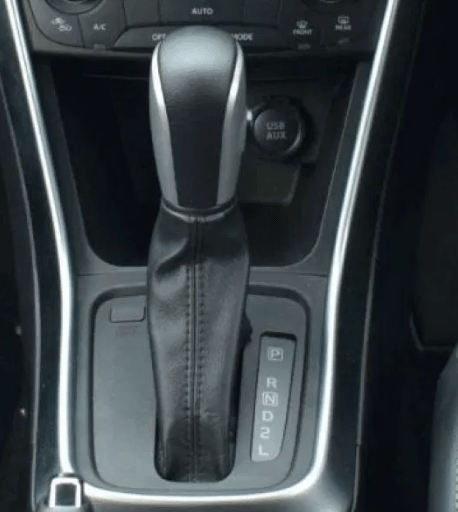
The torque converter transmissions are also known as torque converter automatics as the mechanism uses an advanced fluid coupling to amplify the torque produced by the engine to transmit power to the wheels.
In a car with a torque converter transmission, you will find the clutch pedal missing, this transmission system works via two turbines one is connected to the engine and one to the transmission. Hydraulic fluid between both the turbines transfers power from the turbine located on the engine side to the one located on the transmission and thus induces vehicular movement. Cars with torque converter transmissions are easier to drive and give ample torque to accelerate smoothly. Torque converters are fuel-efficient but due to their engineering complexity are costlier than manual transmissions.
3. Continuously variable transmission
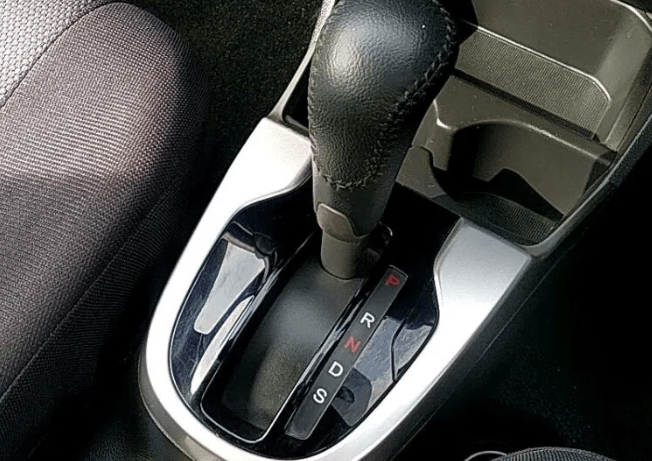
A CVT transmission system works through a pulley system, two cones at each pulley are connected via a chain belt and these cones can move to increase or decrease the belt diameter to change gear ratios. This property of CVT allows it to have infinite gear ratios that the transmission can quickly shift into based on the car’s requirement.
The main advantage of CVT transmission is that it can maintain constant engine revolutions per minute even though the vehicle moves at different speeds. This boosts fuel economy and gives a smooth driving experience. A CVT automatic transmission is one of the more affordable automatic gearboxes available. However, this cost is offset by the higher repair costs, should a CVT gearbox fail.
4. Semi-automatic transmission
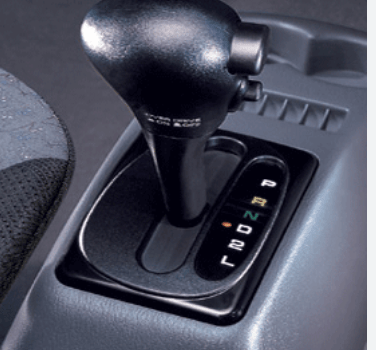
A semi-automatic transmission combines the convenience and car connection elements of a manual and an automatic transmission. Semi-automatic transmissions include Automated Manual Transmissions (AMT) and clutchless manuals like Hyundai’s iMT. A semi-automatic transmission doesn’t have a clutch pedal but it does have a gear stick. These transmissions use an actuator to engage the clutch at the best engine speed so that you can shift the gear perfectly.
Due to their manual-like nature, their fuel efficiency is almost at par with manual transmissions and with their automatic element they reduce fatigue in stop and go traffic. While they might be a bit more pocket friendly than torque converters and CVTs, these automatic cars are not as cheap as manual transmissions due to the complexity of the clutch system
5. Dual Clutch transmission
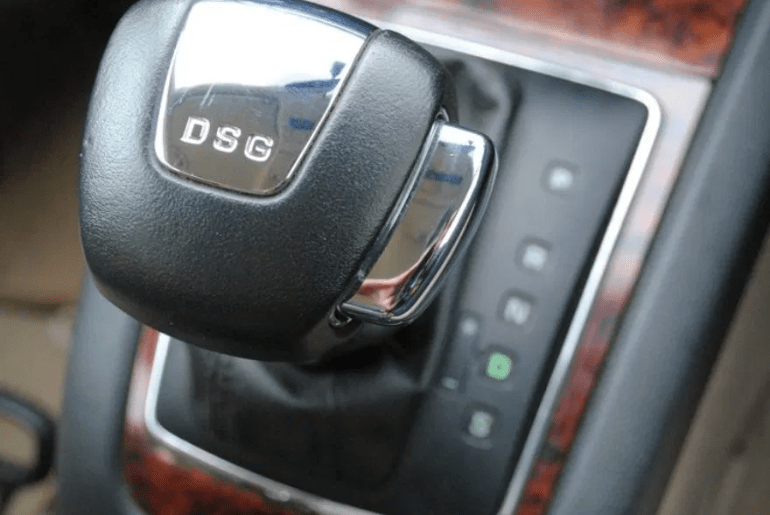
A dual-clutch transmission is a type of automatic transmission that uses two clutches to shift gears. A DCT transmission has two gear sets that are placed in odd and even groups, for example, 1-3-5 and 2-4-6. One clutch engages the odd group of gears, while the other engages the even group. This arrangement engages gears quickly and smoothly, as the dual clutches already have a gear engaged and ready to deploy once the previous gear has reached its gear range. A DCT transmission is fuel-efficient for the same reason, however, it is costlier than the other transmissions listed. The main reason for its cost is its highly complex build and functioning, a major reason why it is used on high-end cars.
6. Automated manual transmission
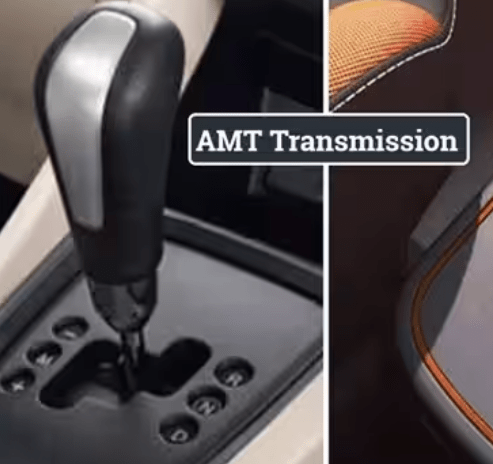
AMT or Automated Manual Transmission is mechanically similar to a manual transmission, except that the sensors and actuators perform the clutch work and shift gears. A car with an AMT does not have a clutch pedal; there’s only the accelerator and brake pedal. AMT also allows manual gearshifts, when needed, by pushing forward the gear lever for upshift and pulling it backward for downshift.
AMT Transmission uses hydraulics and computers linked with the Electronic Control Unit or ECU of the car. The gearshift patterns are pre-programmed on the ECU and work mainly on the preset RPM (Revolutions Per Minute) range. Once the system gauges optimum RPMs, the ECU engages the actuators which operate the clutch and gearbox. In some cases, a gearstick may not be there in the cabin with only a drive mode selector on the dash and no option of manual gearshifts either.
7. Intelligent manual transmission
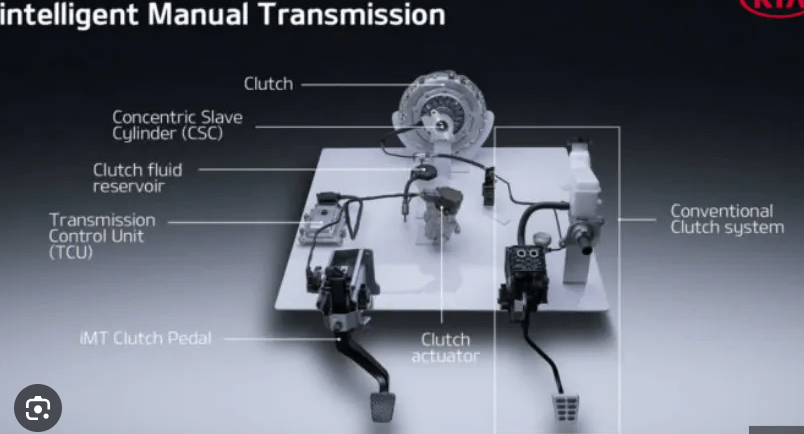
For those wondering what the intelligent Manual Transmission actually is, it is a clutchless manual transmission. Yes, you heard it right. It indeed is a clutchless manual transmission as it continues to offer a two peddle system consisting of the brake and accelerator, along with a conventional manual gearbox.
Now, this might seem confusing, but this is where the ‘Intelligence’ comes in. The iMT sits somewhere between the AMT gearbox and the classic manual transmission. With the iMT gearbox, gears are changed seamlessly without the need of pressing the clutch paddles, through intelligent software and actuators that virtually press the clutch paddle, while you manually shift the gear. To summarize, Hyundai’s latest iMT is indeed the best of both worlds!

 nextgencarexperts.car.blog
Leave a comment